
Why Reality Is an Illusion
What radios, tapes, and dogs teach us about reality

I keep hearing it: “The Universe is a simulation.” Can I make sense of that? let’s see…
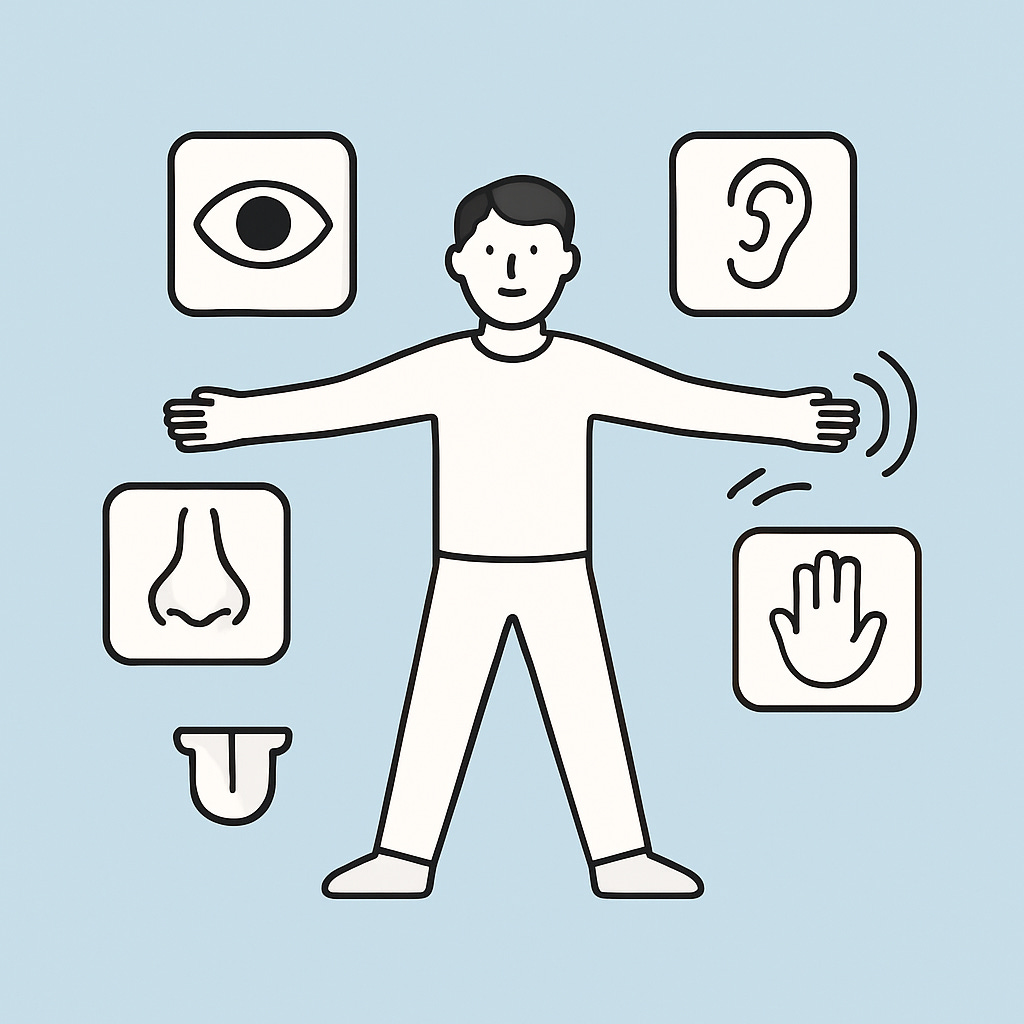
A radio doesn’t play a singer’s real voice. The antenna picks up invisible waves, decodes them, and recreates the sound. Each time a song plays, it’s a fresh imitation, a new sound born from the recorded signals.
It’s the same with recording tape or photo paper. A tape doesn’t hold the singer’s voice; it stores signals captured from the performance. A photo doesn’t contain the landscape itself; it only preserves what the sensor perceived at that moment.
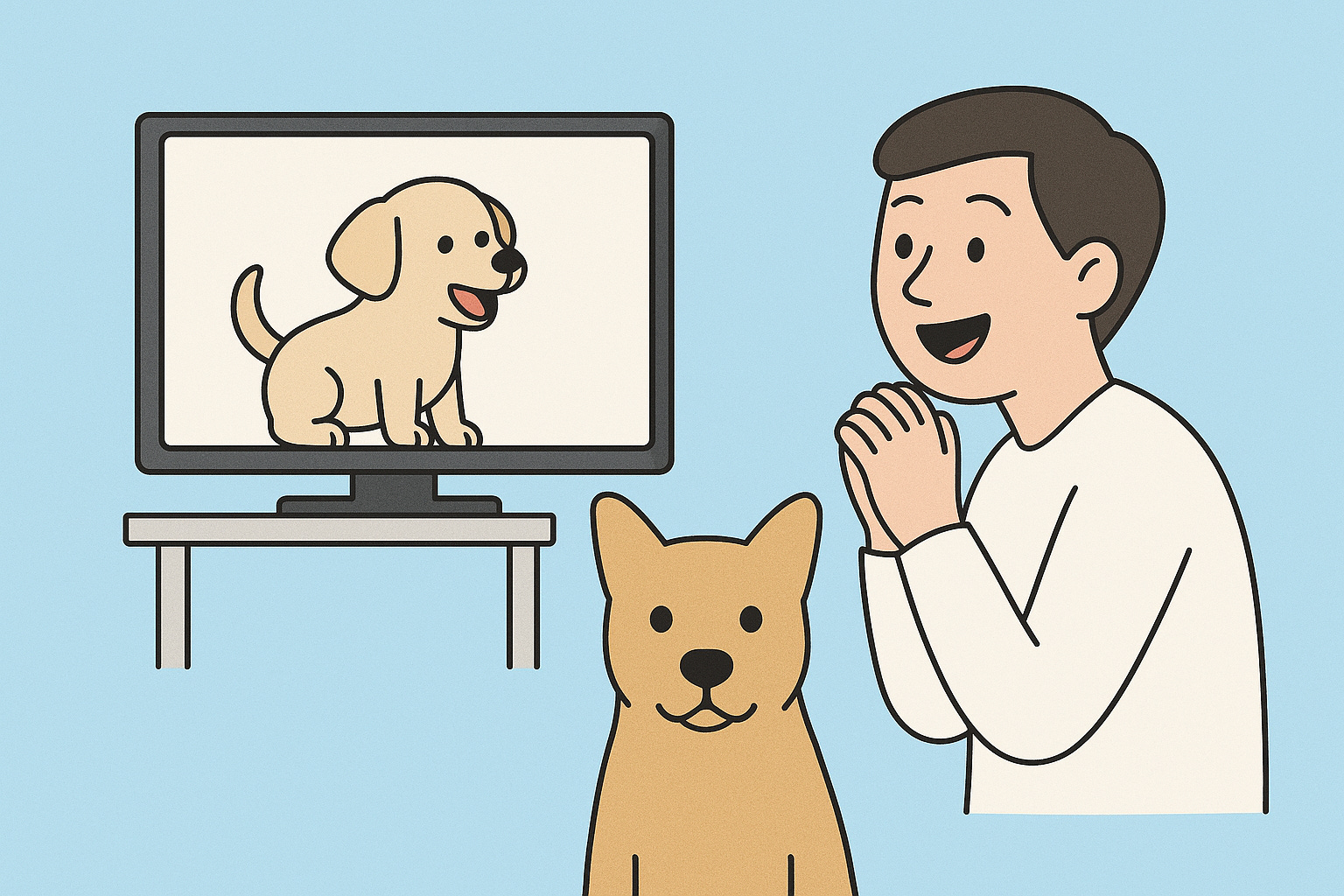
Our capacity for thinking makes the connection — we treat these reproductions as if they were reality itself. That’s why we believe the sound from a radio or the image on a screen. In contrast, most dogs don’t get startled by a bark on TV; they sense that something is missing.
Is that why we get attached to thoughts and ideas, treating them as absolute truths?
In some ways, we are like radios. Our senses are antennas tuned to light, vibrations, molecules, and pressure. Our brain is the receiver, decoding these signals into the world we think we see, hear, and feel. But what we perceive is never reality itself — it’s our brain’s re-creation of it.
The tree outside my window would look entirely different if my senses and brain were wired another way. Movies move us to fear or joy, though they are only the right combination of light and sound. We mistake the imitation for the real thing. We add what is missing with imagination, and then feel it as real.
And this matters: realizing that reality as it is will always remain beyond our grasp may open the door to humility. It softens rigid belief systems and reminds us that what we call “reality” is always an interpretation — never the whole truth. It also hints that the very same brain circuits we use to make sense of the world may be the ones that bind us to ideas and beliefs, convincing us to treat them as if they were reality itself.
What do you think?

Love,
Jose
Are you interested in the AI situation? You might like this post:

I like this one. As a mother of a color blind child, I have very tangible experiences about sensory differences. We prefer to use "you have special eyes", instead of "you are color blind". He sees colors, just differently. And this has been a beautiful teacher for me.
I do not think that reality is an illusion. And I think that it exists rather in the metasensoric concept of reflection than in the senses themselves. With thinking we are able to explain seemingly contadicting preceptions and create a "notion" of "what really is". Hegel was the philosopher who analyzed the way from sensing to notion and also the transformation of our thinking terms so they really mean what they mean.